
Concrete Pool Decks
Create a beautiful, safe pool surround that stays cool underfoot and handles water, chemicals, and constant use without breaking down.
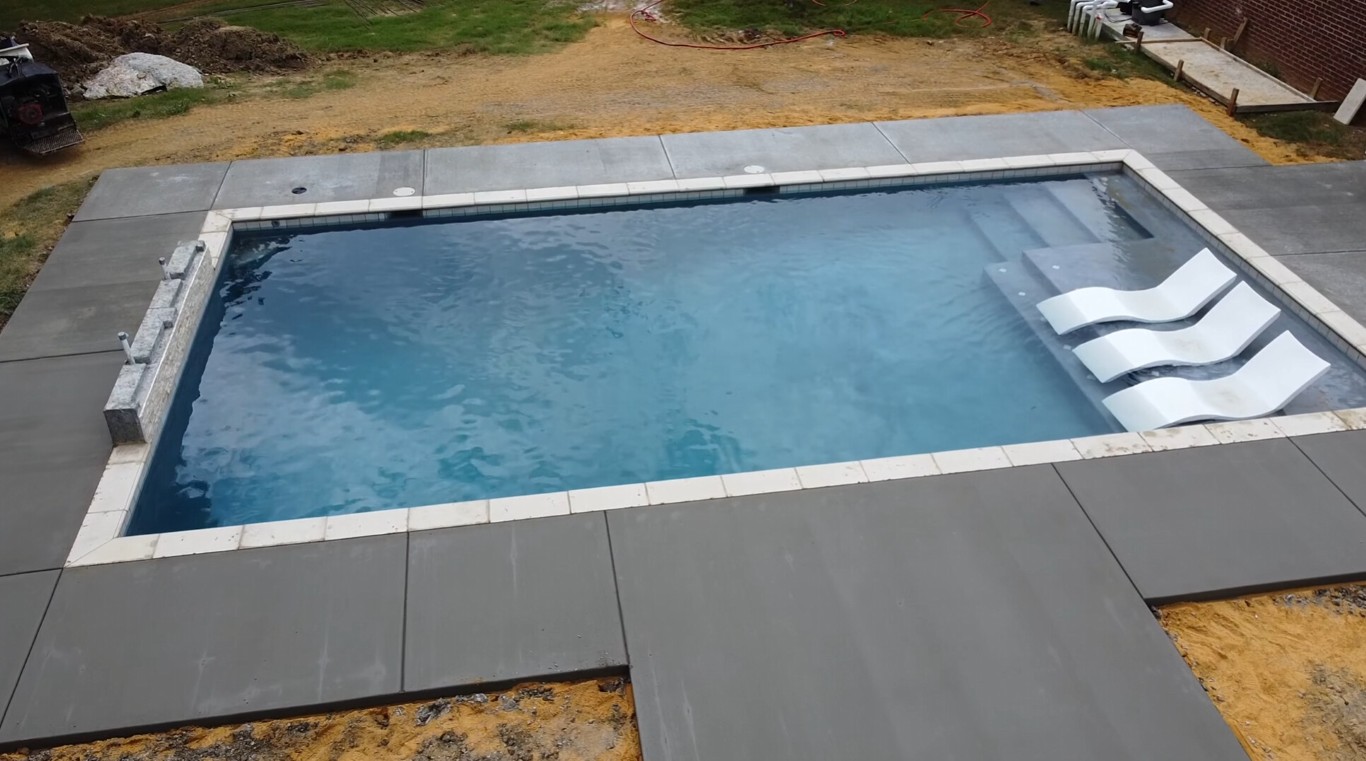
Why Concrete Is Perfect for Pool Decks
Your pool deck takes more abuse than almost any other outdoor surface. It faces constant water exposure, pool chemicals, bare feet, hot sun, and heavy furniture. The material you choose needs to handle all of this while staying safe and attractive. Concrete delivers on every requirement.
Concrete resists water damage better than wood and does not get slippery like some tile. When finished with the right texture, it provides excellent traction even when wet. This matters tremendously around pools where slips and falls can lead to serious injuries. Properly textured concrete keeps everyone safe while looking great.
Heat reflection is another consideration in Texas. Dark surfaces absorb heat and become too hot to walk on barefoot. Light-colored concrete stays significantly cooler, making your pool area more comfortable during summer afternoons. You can also add color and texture to create a custom look that complements your outdoor space.
- Stays cooler: Light-colored concrete reflects heat instead of absorbing it.
- Non-slip surface: Proper texturing provides excellent traction when wet.
- Chemical resistant: Sealed concrete withstands chlorine and pool chemicals without damage.
- Design flexibility: Choose from stamped patterns, colors, and custom finishes.
- Long-lasting value: A well-built pool deck lasts decades with minimal maintenance.
Pool Deck Design Options
Pool decks offer excellent opportunities for creative concrete work. You can keep it simple with a standard finish or create something spectacular with decorative techniques. The right choice depends on your budget, style preferences, and how you use your pool area.
Textured and Brushed Finishes
A broom finish creates subtle texture that provides good traction without being rough on bare feet. This is the most cost-effective option and works well if you want a clean, simple look. We can vary the texture intensity based on how much grip you need. Lighter textures feel smoother but may be slightly less slip-resistant when very wet.
Stamped and Decorative Concrete
Stamped concrete transforms your pool deck into a high-end feature. Popular patterns include natural stone, slate, and tile looks. You can match the deck to your home's exterior or create a resort-style atmosphere. Stamped finishes cost more but deliver impressive visual impact that makes your pool area stand out.
Colored Concrete
Adding color lets you move beyond plain gray. Tan, beige, and terracotta tones create warm, inviting spaces while staying light enough to reflect heat. You can use a single color for uniformity or combine colors to create borders and accent areas. Color can be integrated into the concrete or applied as a stain after curing.
Exposed Aggregate
Exposed aggregate reveals the stones in the concrete mix, creating a natural, textured appearance. This finish provides excellent traction and stays cool because the exposed stones do not absorb as much heat as smooth surfaces. It also hides dirt and wear better than smooth finishes, making it practical for high-traffic pool decks.
Building a Safe and Functional Pool Deck
Safety comes first with pool decks. The surface needs enough texture to prevent slips without being so rough it scrapes skin. We finish pool decks with textures specifically designed for wet areas. This provides grip without discomfort, which is especially important where children play.
Drainage is critical around pools. Water constantly splashes onto the deck, and rain adds even more. We slope the deck slightly away from the pool and the house so water drains properly. This prevents puddles, reduces slipping hazards, and protects your home's foundation from water infiltration.
The deck size affects how you use your pool area. You need enough space for lounge chairs, tables, and walking paths around the pool. Most codes require at least 4 feet of clear deck on all sides of the pool, but 6 to 8 feet provides more comfortable space for furniture and traffic. We help you plan a layout that fits your property and how you entertain.
Sealing your pool deck protects the concrete from chemicals and stains while making it easier to clean. We recommend sealing when the deck is new and resealing every 2 to 3 years depending on use. Sealed concrete resists discoloration from chlorine, sunscreen, and other pool-related substances.
How We Install Pool Decks
Installing a pool deck follows the same basic steps as any concrete project but with extra attention to drainage, texture, and chemical resistance. We start by preparing the site around your pool, which may involve grading, adding base material, and ensuring proper slope away from the pool and structures.
Forms define the deck's shape and edges. For curved pools, this means creating smooth curves that complement the pool's lines. We also plan for any features you want built in, like steps, planters, or sitting walls. These elements need to be designed and formed before the concrete pour.
The concrete pour must be timed carefully, especially for decorative finishes. If we are stamping or applying color, the concrete needs to reach the right consistency before we start finishing. This timing depends on weather conditions, so we plan pours when conditions are favorable.
After finishing the surface, the concrete needs to cure properly. We protect it from rapid drying and temperature extremes. Once cured, we apply sealer if specified in your project. The deck is then ready to use, though we recommend waiting a few extra days before placing heavy furniture or filling the pool if it is new construction.
Pool Deck Installation in Hutto
We have installed pool decks throughout Hutto for both new pools and renovations of existing pools. Each project gives us more insight into what works best in Central Texas conditions. The heat, soil type, and local building requirements all influence how we approach pool deck construction.
Texas summers are hot, which makes surface temperature a real consideration. We help you choose colors and finishes that stay as cool as possible while still looking great. Light colors make a huge difference in comfort, and certain textures perform better than others in intense heat.
We also coordinate with pool builders and landscapers to ensure everything comes together smoothly. If you are building a complete outdoor living space with a patio, pool deck, and other concrete features, we plan the whole project so all elements work together visually and functionally.
Your pool should be a place of relaxation and enjoyment, and a quality concrete deck makes that possible. Whether you want a simple surround or an elaborate outdoor entertainment area, we build pool decks that enhance your property and stand the test of time. Discover our concrete services in Hutto and see how a professional pool deck can transform your backyard.
Frequently Asked Questions
How do you make concrete pool decks non-slip?▼
We create non-slip surfaces through texturing techniques applied during finishing. A broom finish drags bristles across wet concrete to create subtle grooves. Exposed aggregate reveals stones that provide natural texture. Stamped finishes incorporate texture into the pattern. We can also apply special slip-resistant additives to sealers for extra grip. The key is finding the right balance between safety and comfort. Too much texture can be rough on bare feet, while too little texture can be slippery when wet. We adjust the texture based on your specific needs and how the deck will be used.
Can you resurface an existing pool deck?▼
Yes, resurfacing is often a great option for old pool decks that are structurally sound but look worn or dated. We can apply a new layer of concrete overlay that bonds to the existing surface, creating a fresh appearance with updated color or texture. This costs less than complete replacement and can be completed quickly. However, if your existing deck has significant settling, large cracks, or structural problems, replacement may be the better long-term solution. We evaluate your deck and recommend the most cost-effective approach based on its condition.
How wide should the deck be around a pool?▼
Building codes typically require a minimum of 4 feet of clear deck around all sides of a pool. However, 6 to 8 feet provides more comfortable space for furniture and walking paths. If you plan to have lounge chairs, you need at least 8 feet to fit the chairs and leave walking room behind them. For entertaining areas with tables and dining furniture, 10 to 12 feet works better. We help you plan deck width based on how you intend to use the space and the layout of your yard. More deck area costs more but significantly improves functionality and enjoyment.