Stamped & Decorative Concrete
Get the high-end look of stone, brick, or tile without the high-end price tag using stamped and decorative concrete techniques.
What Is Stamped and Decorative Concrete?
Stamped concrete is a technique where we press patterns into freshly poured concrete to create the look of natural stone, brick, slate, or other materials. The result is a surface that mimics expensive materials at a fraction of the cost. You get the visual appeal you want without the maintenance headaches that come with real stone or pavers.
Decorative concrete goes beyond stamping. It includes techniques like coloring, staining, texturing, and engraving to create custom looks that fit your style. Whether you want a simple earth-tone patio or a bold, artistic statement, decorative concrete gives you options that plain gray concrete cannot match.
The best part is that stamped and decorative concrete is still concrete underneath. That means you get all the durability and low maintenance benefits of traditional concrete with the added visual appeal of premium materials.
- Cost-effective: Looks like stone or brick without the high material and installation costs.
- Low maintenance: No weeds between pavers, no shifting stones, no need for frequent repairs.
- Customizable: Choose from dozens of patterns, colors, and textures to match your home.
- Durable: Handles weather, foot traffic, and time just like standard concrete.
- Versatile: Works for patios, driveways, walkways, pool decks, and more.
Popular Patterns and Design Options
One of the reasons stamped concrete is so popular is the wide variety of patterns available. You can choose something that matches your home's architecture or go with a look that creates a unique focal point in your yard.
Natural Stone Patterns
These patterns mimic the irregular shapes and textures of natural stone like flagstone, slate, or fieldstone. They work well for patios and walkways where you want a rustic, organic look. The randomness of the pattern makes each installation unique.
Brick and Cobblestone Patterns
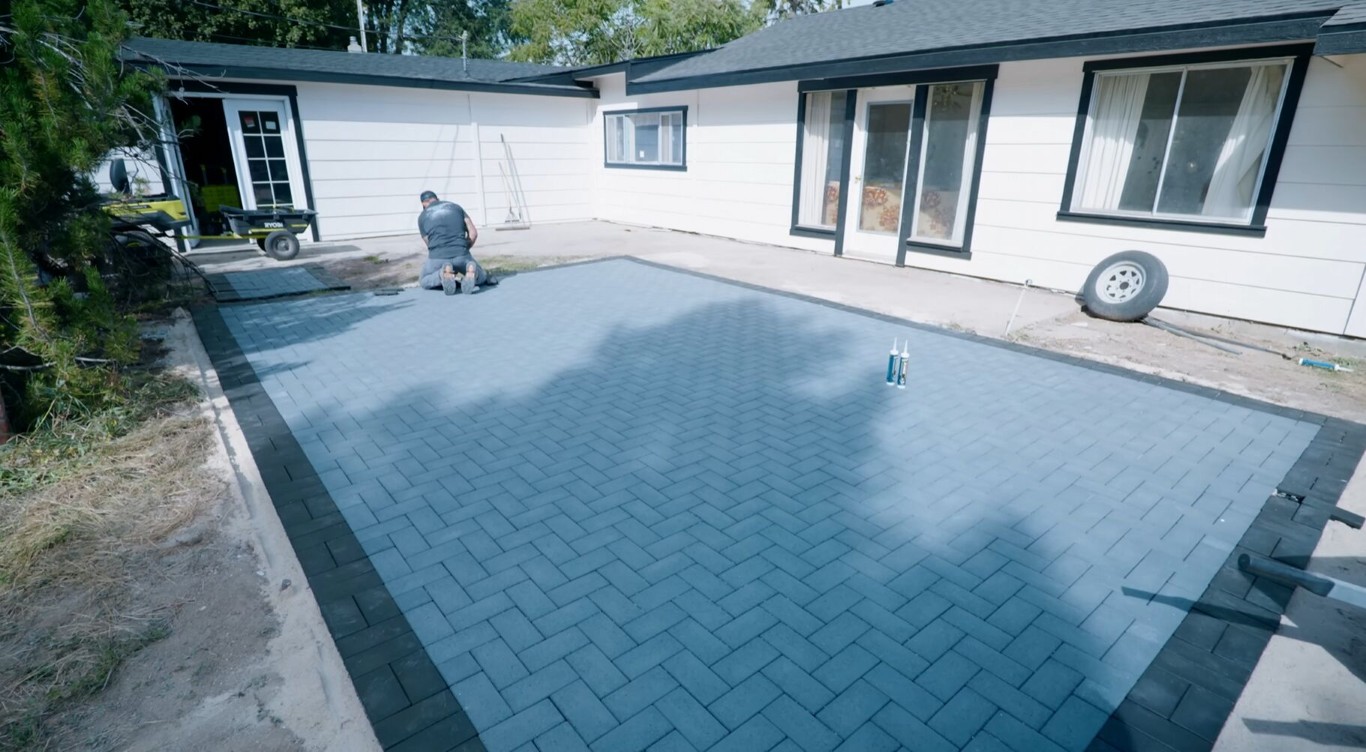
If you prefer a classic, formal look, brick or cobblestone patterns deliver. These work great for driveways, entryways, and courtyards. You can choose from running bond, herringbone, basket weave, and other traditional layouts. The result looks like hand-laid brick without the time and expense of individual units.
Tile and Geometric Patterns
For a more modern or Mediterranean vibe, tile patterns create clean lines and symmetry. These patterns work especially well for pool decks and upscale patios. You can combine colors to create borders or accent areas that add visual interest.
Wood Plank Patterns
Yes, you can make concrete look like wood. Wood plank patterns are popular for patios and indoor spaces where you want the warmth of wood without the rot, splinters, and constant maintenance. The texture and grain detail can be surprisingly realistic.
Adding Color to Your Concrete
Color is what takes stamped concrete from good to great. There are several ways to add color, and each method produces different results. You can use one color for a uniform look or combine multiple colors to create depth and realism.
Integral color is mixed directly into the concrete before pouring. This creates a consistent color throughout the slab, so if the surface gets scratched or chipped, the color goes all the way through. Integral colors tend to be more subtle and earthy.
Color hardeners are applied to the surface while the concrete is still wet. They add color and increase surface durability. Hardeners produce richer, more vibrant colors than integral color and are often used as the base color for stamped patterns.
Acid stains and water-based stains are applied after the concrete cures. They create unique, variegated tones that add character and depth. Staining is a great way to refresh an existing concrete surface or add an aged, weathered look to new concrete.
We can also combine techniques. For example, we might use a base color hardener with a contrasting release agent to highlight the pattern texture, then apply a stain to add depth. The possibilities are nearly endless, and we help you choose the right combination for your vision.
How We Create Stamped Concrete
Creating stamped concrete requires skill and timing. The concrete has to be at the right stage of hardening to accept the stamp without sticking or distorting. That is why experience matters so much with this type of work.
We start with the same careful site preparation as any concrete project: proper grading, a solid base, and reinforcement. Once the concrete is poured and leveled, we apply color hardener if that is part of your design. Then comes the critical step of concrete stamping.
We use specialized stamping mats that press the pattern into the surface. Each mat has to be placed carefully to ensure the pattern lines up and looks natural. A release agent keeps the mats from sticking to the concrete and adds subtle color variations that enhance the realistic appearance.
After stamping, the concrete needs to cure properly. Once cured, we clean the surface and apply a sealer. The sealer protects the color, enhances the appearance, and makes the surface easier to clean. With proper sealing, your stamped concrete will stay vibrant and attractive for years.
Maintenance and Resealing
Stamped concrete requires slightly more maintenance than plain concrete, but it is still minimal compared to other decorative surfaces. You should reseal your stamped concrete every 2 to 3 years to maintain the color and protection. Cleaning with mild soap and water keeps it looking fresh between sealings.
Where You Can Use Stamped Concrete
Stamped concrete works in almost any outdoor space. Patios are the most popular application because they benefit so much from the decorative finish. A stamped concrete patio becomes an extension of your living space and a place you want to spend time.
Driveways can also be stamped, though you need to choose a pattern and color that complements your home without being too bold. Brick or cobblestone patterns work well for driveways because they add sophistication without overwhelming the rest of your exterior.
Walkways and entryways are perfect for stamped concrete. A stamped walkway leading to your front door creates a welcoming first impression. You can match it to your patio or driveway for a cohesive look, or use a different pattern to create visual interest.
Pool decks benefit from stamped concrete because the textured surface provides better traction when wet. You can choose light colors that stay cooler underfoot in the summer sun, and the sealed surface resists pool chemicals and chlorine.
Interior floors are another option. Stamped concrete works well in garages, basements, and even living spaces where you want a durable, unique floor that stands out. The possibilities are limited only by your imagination.
Stamped Concrete in Hutto
We have completed stamped concrete projects throughout Hutto, from small front walkways to large backyard patios. Each project teaches us more about what works in this climate and how to deliver results that last.
Central Texas weather can be tough on outdoor surfaces, but stamped concrete holds up well when installed correctly. Proper base preparation, quality concrete mix, and professional sealing all contribute to longevity. We also pay attention to drainage so water does not pool on the surface or cause problems over time.
Our goal is to create outdoor spaces that look amazing and perform reliably for decades. Whether you want a simple stamped patio or an elaborate multi-level design with borders and accents, we bring the experience and attention to detail needed to get it right. Explore our concrete services in Hutto and see how stamped and decorative concrete can transform your property.
Frequently Asked Questions
Does stamped concrete crack more than regular concrete?▼
No, stamped concrete is the same material as regular concrete, so it has the same structural properties. Cracking depends on factors like base preparation, concrete thickness, and proper placement of control joints, not whether the surface is stamped. When installed correctly with a solid base and adequate reinforcement, stamped concrete is just as durable as plain concrete. Any cracks that do occur can be repaired without ruining the decorative finish, and regular resealing helps prevent surface damage.
How much does stamped concrete cost compared to pavers or natural stone?▼
Stamped concrete typically costs less than natural stone or high-quality pavers. While it is more expensive than plain concrete due to the extra labor and materials involved, it delivers a premium look at a mid-range price. You also save money over time because stamped concrete requires less maintenance than pavers, which can shift and grow weeds, or natural stone, which may need periodic replacement. The exact cost depends on the pattern complexity, color choices, and site conditions, but most homeowners find it offers the best value for achieving a high-end appearance.
Will the color fade over time?▼
Some fading is natural over time due to sun exposure and weather, but proper sealing minimizes this significantly. If you use integral color that goes all the way through the concrete, the color is more permanent because it is not just on the surface. Color hardeners and stains applied to the surface may fade more noticeably, but resealing every 2 to 3 years helps maintain the vibrancy. You can also refresh the color with a new stain or tinted sealer if you want to update the look down the road. With regular care, stamped concrete retains its attractive appearance for many years.