
Concrete Slab & Foundation Work
Your home's foundation is the most important part of the structure, and getting it right from the start ensures stability and peace of mind for decades.
Why Foundation Quality Matters
Everything about your home depends on a solid foundation. If the foundation fails, you face cracked walls, uneven floors, and structural problems that cost thousands to fix. Getting it right the first time is not just smart, it is essential.
Concrete slab foundations are the most common type in Central Texas because they work well with the local soil and climate. A properly installed slab distributes the weight of your home evenly, resists moisture, and stays level over time. It also provides a solid base for flooring without the need for a crawl space or basement.
Whether you are building a new home, adding a room, or constructing a garage or workshop, the foundation work has to be done right. Cutting corners here leads to expensive repairs down the road. That is why we focus on proper site preparation, quality materials, and proven construction techniques that deliver lasting results.
- Long-term stability: A well-built slab foundation lasts the lifetime of your home with minimal maintenance.
- Moisture resistance: Concrete slabs prevent moisture from seeping up through the ground into your home.
- Energy efficiency: Slab foundations reduce air gaps that can lead to heat loss in winter and heat gain in summer.
- Pest protection: No crawl space means fewer entry points for termites and other pests.
Types of Slab and Foundation Work We Do
We handle all kinds of concrete slab and foundation projects, from new home construction to additions and outbuildings. Each type of project has specific requirements, but the core principles remain the same: proper site preparation, quality materials, and attention to detail.
New Home Foundations
Building a new home starts with the foundation. We work with builders and homeowners to ensure the slab is level, properly reinforced, and ready to support the structure. This includes excavation, grading, moisture barriers, and placement of utilities before the concrete pour. Every step is inspected to meet local building codes and engineering specifications.
Garage and Workshop Slabs
Garages and workshops need slabs thick enough to handle vehicle weight and heavy equipment. We design these slabs with the right thickness and reinforcement to prevent cracking and settling. Proper drainage is also critical to keep water from pooling inside the structure.
Room Additions and Extensions
Adding a room to your home means matching the new foundation to the existing one. This requires careful planning to ensure the new slab ties in correctly and does not create stress points. We also make sure the new foundation blends seamlessly with the original structure.
Shed and Outbuilding Foundations
Even smaller structures like sheds and storage buildings benefit from a concrete slab. It keeps the building level, protects against moisture, and extends the life of the structure. We can pour slabs for any size outbuilding, from small garden sheds to large storage barns.
How We Build Your Foundation
Foundation work starts long before the concrete truck arrives. We begin by evaluating the site to understand soil conditions, drainage patterns, and any potential issues. Central Texas soil is known for being clay-heavy, which means it expands when wet and contracts when dry. We account for this by preparing a stable base that resists movement.
The next step is excavation and grading. We dig to the proper depth and grade the site to ensure water drains away from the foundation. Then we install a compacted gravel base, which provides stability and helps with drainage. On top of the gravel, we lay a moisture barrier to prevent water from seeping up through the slab.
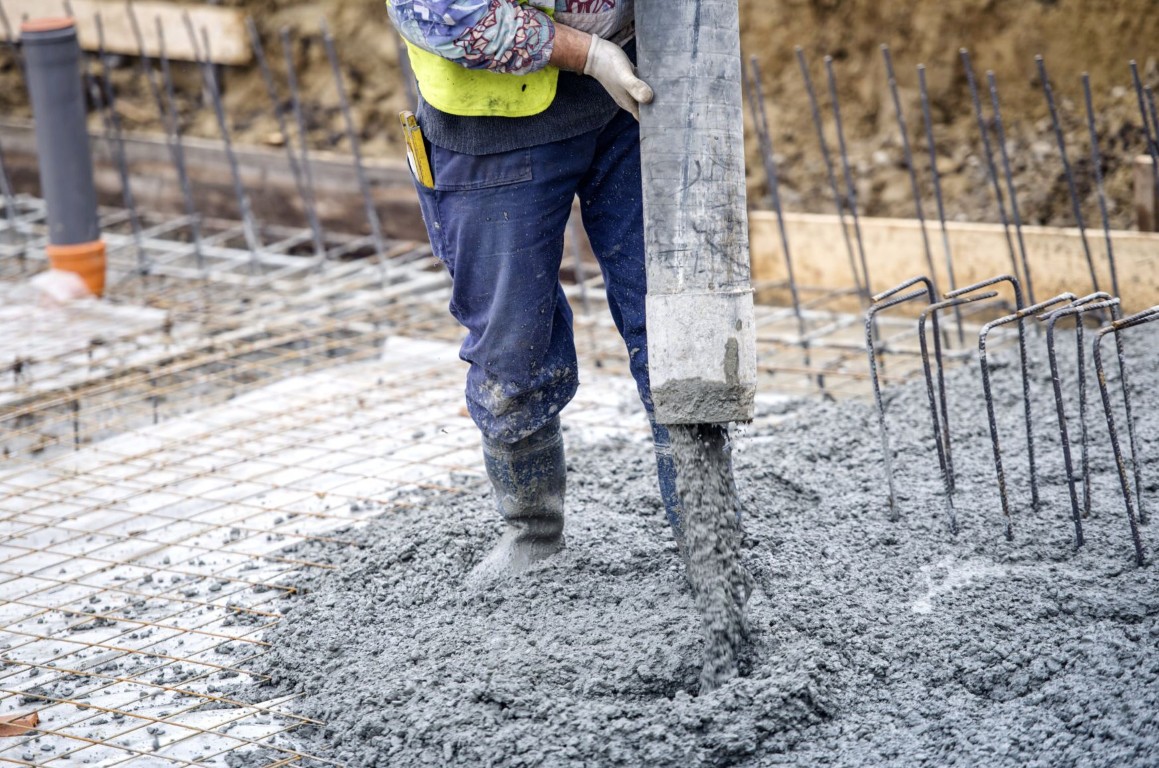
Before pouring concrete, we install reinforcement such as rebar or wire mesh. This gives the slab extra strength and helps prevent cracking. We also place any necessary plumbing or electrical conduits at this stage so everything is in place before the pour.
Once the site is ready, we pour the concrete and level it to exact specifications. The slab is finished with a smooth or broom texture depending on the use. After pouring, we protect the concrete during the curing process to ensure it reaches full strength. This typically takes 7 to 28 days depending on weather conditions.
Preventing and Fixing Foundation Issues
Even the best foundations can develop problems over time, especially in areas with expansive soil like Central Texas. The most common issues include cracking, settling, and moisture intrusion. Preventing these problems starts with proper installation, but knowing what to watch for helps you address issues before they get worse.
Cracking
Small hairline cracks are normal and do not usually indicate a structural problem. Larger cracks, especially those that grow or cause the slab to shift, need professional evaluation. Proper reinforcement and control joints during installation help minimize cracking.
Settling
Uneven settling happens when the soil beneath the slab shifts or compresses. This can cause doors to stick, floors to slope, or visible gaps between the slab and walls. Proper base preparation is the best prevention, but if settling occurs, we offer concrete leveling services to restore the slab to its original position.
Moisture Problems
Moisture can seep up through a slab if there is no proper barrier or if drainage is inadequate. This leads to damp floors, mold, and damage to flooring materials. Installing a moisture barrier and ensuring proper grading around the foundation prevents most moisture issues.
Foundation Work in Hutto
Hutto is growing rapidly, and with that growth comes a steady need for new foundations. We have worked on residential and commercial projects across the area, from single-family homes to large garage and workshop slabs. Each project gives us a deeper understanding of the local soil conditions and what works best here.
The expansive clay soil in Central Texas requires special attention. Without proper preparation, the soil can cause slabs to crack or shift. We use techniques proven to work in this environment, including proper base depth, reinforcement placement, and control joint spacing. These details make the difference between a foundation that lasts and one that develops problems within a few years.
We also understand the importance of working with local building codes and inspectors. Foundation work must meet specific standards, and we make sure every project passes inspection the first time. This saves you time, money, and frustration.
Whether you are building a new home, adding a garage, or constructing an outbuilding, we bring the experience and local knowledge needed to get your foundation right. A solid foundation is the first step toward a successful project, and we make sure yours is built to last. Discover our full range of concrete services in Hutto and see how we can help with your next project.
Frequently Asked Questions
How thick should a concrete slab foundation be?▼
Most residential slab foundations are 4 to 6 inches thick, depending on the structure they will support. For homes, 4 inches is standard, but garages or workshops that will hold heavy equipment may need 6 inches or more. The thickness also depends on soil conditions and local building codes. We evaluate each project individually to determine the right thickness and reinforcement. Thicker slabs cost more in materials but provide extra strength and longevity, especially in areas with challenging soil like Central Texas.
How long does it take to pour a foundation?▼
The actual concrete pour usually takes a few hours, but the entire process from start to finish takes longer. Site preparation, including excavation, grading, and installing the base and moisture barrier, typically takes 2 to 4 days. After the pour, the concrete needs to cure for at least 7 days before construction can continue, though it continues to gain strength for up to 28 days. Weather can affect the timeline, and more complex projects with utilities or unusual shapes may take additional time. We keep you informed throughout the process so you know what to expect.
What is the difference between a slab and a pier and beam foundation?▼
A slab foundation is a single layer of concrete poured directly on the ground, while a pier and beam foundation uses concrete piers or blocks to support wooden beams that hold up the floor. Slabs are more common in new construction because they cost less, require less maintenance, and work well with modern HVAC systems. Pier and beam foundations create a crawl space under the house, which can be useful for access to plumbing but requires more upkeep. In Central Texas, slab foundations are the standard because they handle expansive soil better and provide better energy efficiency.