Sidewalks, Walkways & Flatwork
Create safe, attractive pathways that connect your property and enhance your outdoor spaces with professional concrete flatwork.
What Is Concrete Flatwork?
Flatwork is the term for any horizontal concrete surface. This includes sidewalks, walkways, paths, small slabs, and similar installations. While the name sounds technical, the concept is simple: it is any concrete work that creates a level surface for walking, parking equipment, or other uses.
Sidewalks and walkways are the most common types of flatwork around homes and businesses. They provide safe, stable paths for foot traffic and connect different areas of your property. A well-designed walkway not only serves a practical purpose but also adds visual appeal and guides people naturally through your outdoor space.
Concrete is the ideal material for flatwork because it handles heavy use without breaking down. It stays level and stable over time, requires minimal maintenance, and can be finished in various ways to match your property's style. Whether you need a simple path from your driveway to your front door or an elaborate network of walkways through your yard, concrete delivers lasting results.
- Safety first: Level concrete surfaces reduce trip hazards and provide stable footing in all weather.
- Property value: Well-maintained sidewalks and walkways add curb appeal and functionality.
- Accessibility: Smooth concrete pathways make your property easier to navigate for everyone.
- Low maintenance: No mulch to replace, no pavers to reset, no weeds to pull.
Types of Sidewalks and Walkways We Install
Every property has different needs when it comes to pathways and flatwork. We design and install concrete surfaces that fit your specific requirements, whether that is a simple front walkway or a complex network of paths connecting multiple areas.
Front Walkways
The walkway from your driveway or street to your front door creates the first impression of your home. We design front walkways that are wide enough for comfortable two-way traffic, properly sloped for drainage, and finished to complement your home's architecture. You can choose from plain concrete, broom finish for traction, or decorative options like stamping and coloring.
Backyard Pathways
Backyard paths connect your house to sheds, gardens, patios, and other outdoor features. These pathways make your yard more functional and enjoyable while protecting your lawn from constant foot traffic. We can design straight paths for efficiency or curved paths that create visual interest and guide visitors through your landscaping.
Public Sidewalks
Many municipalities require property owners to maintain the public sidewalk in front of their home or business. We install and repair sidewalks that meet local codes and ADA accessibility requirements. Proper construction ensures your sidewalk stays level and safe for years, avoiding the liability of trip hazards.
Equipment Pads and Small Slabs
Concrete pads provide stable platforms for air conditioning units, generators, trash enclosures, and other equipment. These small flatwork projects keep equipment level and protected from ground moisture. We size and reinforce the slab based on what it will support, ensuring it stays solid and crack-free.
Planning Your Walkway or Sidewalk
A successful walkway starts with thoughtful planning. We consider how you use your property, where people naturally walk, and what obstacles or features need to be accommodated. The goal is to create paths that feel intuitive and make your property easier to navigate.
Width matters. A main front walkway should be at least 4 feet wide so two people can walk side by side comfortably. Secondary paths can be narrower, around 3 feet, if they only need to accommodate single-file traffic. We also consider whether you need to move wheelbarrows, strollers, or other wheeled items along the path.
Drainage is critical for sidewalks and walkways. Water should flow away from the path, not pool on it. We grade the area and slope the concrete slightly to ensure proper drainage. This prevents ice buildup in winter and keeps the surface dry and safe year-round.
Design options let you customize the appearance. A standard broom finish provides excellent traction and works for most applications. If you want something more decorative, stamped patterns and colors can make your walkway a focal point. We can also add borders or combine different finishes to create visual interest.
How We Install Sidewalks and Walkways
Installing concrete flatwork follows a proven process that ensures a level, durable surface. We start by marking out the path and excavating to the proper depth. This typically means removing 4 to 6 inches of soil to make room for the base and concrete.
Next comes base preparation. We install and compact a layer of gravel that provides drainage and stability. The base prevents settling and gives the concrete a solid foundation. Proper compaction is essential here because any soft spots will cause problems later.
We then set forms to define the edges of the walkway and establish the correct slope. The forms are carefully leveled and braced so they do not shift during the pour. For longer walkways, we plan control joint placement to manage cracking and allow for slight movement.
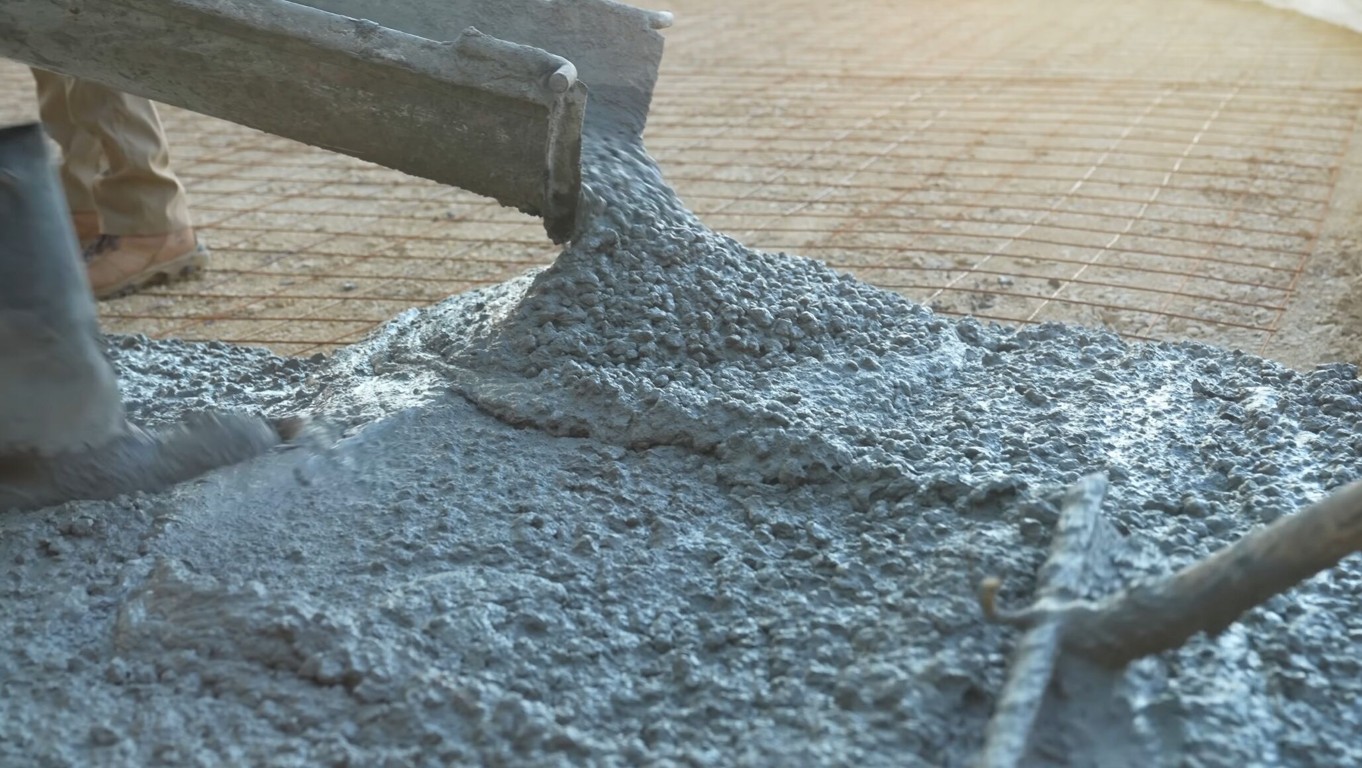
The concrete pour comes next. We use a mix designed for flatwork that provides the right strength and workability. After pouring, we screed the surface to the correct level, then float and finish it to your chosen texture. The finishing step is critical for appearance and traction.
Finally, the concrete needs to cure properly. We protect it from rapid drying and temperature extremes for at least 7 days. After curing, the walkway is ready for use and will provide decades of reliable service.
Sidewalk and Walkway Services in Hutto
We have installed sidewalks and walkways throughout Hutto for both residential and commercial properties. From simple front paths to extensive walkway networks, every project benefits from our understanding of local conditions and building requirements.
Central Texas soil requires special attention during base preparation. The clay content means the ground expands and contracts with moisture changes. We use proper base depth and compaction techniques to minimize the risk of settling or cracking caused by soil movement.
We also stay current with local codes and accessibility requirements. Public sidewalks must meet specific standards for slope, width, and surface finish. We ensure every installation passes inspection and serves your property well for years to come.
Whether you need to replace a cracked front walkway, install paths through your backyard, or add equipment pads, we deliver quality flatwork that looks great and functions reliably. Your property deserves walkways that are safe, attractive, and built to last. Discover our concrete services in Hutto and see how professional flatwork can improve your property.
Frequently Asked Questions
How wide should a concrete walkway be?▼
Main walkways should be at least 4 feet wide to allow two people to walk side by side comfortably. This width also accommodates wheelchairs, strollers, and other mobility aids. Secondary paths that only need to handle single-file traffic can be 3 feet wide. If you regularly need to move wheelbarrows, lawn equipment, or other wide items along the path, consider going wider. The cost difference is minimal, and a wider walkway improves usability significantly.
Do I need a permit to install a sidewalk?▼
Requirements vary by location. In most cases, private walkways on your own property do not require permits. However, if you are installing or replacing a public sidewalk adjacent to the street, you likely need a permit and must follow local specifications. We are familiar with Hutto building codes and can help you navigate the permit process if needed. We also ensure all work meets or exceeds local standards, whether a permit is required or not.
Can tree roots damage my walkway?▼
Yes, tree roots can lift and crack concrete walkways as they grow. The best prevention is to route walkways away from large trees when possible. If the path must go near a tree, we can install a thicker base or use root barriers to slow root intrusion. We can also plan for expansion joints that accommodate slight movement. If you already have tree damage, we can repair or replace affected sections. In some cases, selective root pruning by a qualified arborist helps, though this should be done carefully to avoid harming the tree.