Retaining Walls & Concrete Masonry
Transform sloped or uneven terrain into usable outdoor space while preventing erosion with professionally built retaining walls and masonry work.
Why Retaining Walls Matter
Retaining walls serve both practical and aesthetic purposes. They hold back soil on slopes, create level areas for patios or gardens, and prevent erosion that can damage your property. Without proper retaining structures, sloped yards can wash away during heavy rain, creating problems for your foundation, landscaping, and neighboring properties.
A well-designed retaining wall turns unusable sloped land into functional outdoor space. You can create terraced gardens, level areas for seating, or flat spaces for lawn and play areas. This not only makes your property more enjoyable but also increases its value by adding usable square footage.
Concrete and masonry retaining walls are the most durable options. They resist weather, pressure from soil and water, and the test of time. While they cost more upfront than some alternatives, they last decades with minimal maintenance and never need replacement like timber or modular block walls might.
- Erosion control: Prevents soil loss and protects foundations, driveways, and landscaping.
- Creates usable space: Turns steep slopes into level areas for multiple uses.
- Increases property value: Well-built retaining walls enhance appearance and functionality.
- Long-lasting durability: Concrete and masonry walls can last 50 years or more with proper construction.
Types of Retaining Walls We Build
Different situations call for different types of retaining walls. We evaluate your property, soil conditions, and the amount of slope to recommend the best solution. Each type has advantages depending on height, location, and how you plan to use the space.
Poured Concrete Retaining Walls
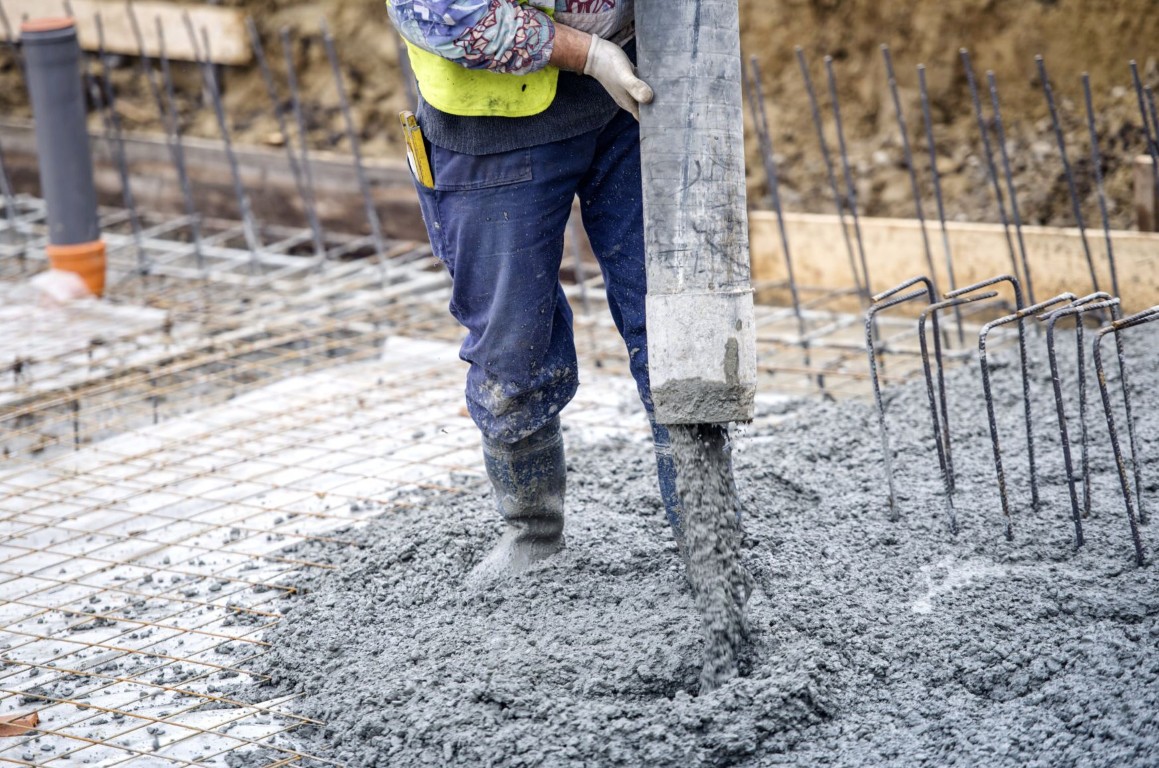
Poured concrete walls are the strongest and most versatile option. We build forms, install reinforcement, and pour concrete to create a solid structure that can handle significant height and soil pressure. These walls work well for larger projects and steep slopes. They can be finished smooth, textured, or stained to match your preferences.
Concrete Block Walls
Concrete blocks allow us to build strong retaining walls with a textured appearance. The blocks are stacked and reinforced with steel and concrete fill. This method works well for medium-height walls and offers design flexibility. You can choose from various block styles and colors to create the look you want.
Stone and Brick Veneer Walls
For a high-end appearance, we can build a concrete wall and apply a stone or brick veneer. This gives you the structural strength of concrete with the classic look of natural stone or brick. These walls work beautifully near homes and in visible areas where appearance matters most.
Garden and Terrace Walls
Shorter decorative walls create raised garden beds, define outdoor spaces, or provide seating. These walls typically do not need the same engineering as taller retaining walls, but proper construction still matters. We build garden walls that look great and last for years.
How We Build Retaining Walls
Retaining walls require careful engineering, especially as they get taller. A wall that is not properly designed and built can fail, causing expensive damage and safety hazards. We approach every retaining wall project with the seriousness it deserves.
The process starts with evaluating your site. We look at the soil type, the amount of slope, drainage patterns, and how high the wall needs to be. For walls over 4 feet tall, engineering calculations determine the wall thickness, reinforcement, and footing requirements. We follow these specifications exactly to ensure structural integrity.
Drainage is critical for retaining walls. Water pressure behind a wall can cause it to fail, so we install drainage systems that redirect water safely away. This usually includes drainage pipe, gravel backfill, and weep holes that allow water to escape without building pressure.
The foundation is just as important as the wall itself. We excavate to solid soil and pour a concrete footing that provides a stable base. The footing prevents settling and distributes the wall's weight evenly. Proper reinforcement ties the wall to the footing and gives it strength to resist soil pressure.
After building the wall, we backfill carefully with proper materials and compaction. The area behind the wall is graded to direct water toward the drainage system. The result is a wall that looks great and performs reliably for decades.
Additional Concrete Masonry Work
Beyond retaining walls, we handle other concrete and masonry projects that enhance your property. These include outdoor kitchens, fire pits, seat walls, and decorative columns. Each project combines structural integrity with visual appeal.
Outdoor living spaces benefit from custom masonry work. A built-in barbecue area, pizza oven, or fire pit creates a gathering place that extends your living space outdoors. We design these features to fit your space and style while ensuring they are safe and built to last.
Seat walls and planters add function and beauty to patios and outdoor areas. They define spaces, provide extra seating, and create visual interest. We can match these features to your home's exterior or create contrasting elements that stand out.
Decorative columns and pillars make strong statements at entryways and gateways. Whether you want a simple design or elaborate details, we can build masonry columns that enhance your property's curb appeal and create a sense of arrival.
Retaining Walls and Masonry in Hutto
Hutto properties often have varying terrain that benefits from retaining walls. We have built walls throughout the area, from small garden walls to large multi-tiered systems that create usable yards on challenging slopes. Each project adds to our understanding of what works in this environment.
Central Texas soil presents unique challenges for retaining wall construction. The expansive clay soil puts extra pressure on walls as it swells and shrinks with moisture changes. We account for this by using proper drainage, adequate reinforcement, and construction techniques proven to work in these conditions.
Local building codes also affect retaining wall design. Walls over a certain height require permits and engineering. We handle this process and ensure every wall meets code requirements. This protects you from liability and ensures the wall is safe and structurally sound.
Whether you need a simple garden wall or a complex retaining system, we bring the experience and attention to detail that quality masonry work demands. Your property deserves walls that perform reliably and look great for years to come. Explore our concrete services in Hutto and see how retaining walls and masonry can transform your outdoor space.
Frequently Asked Questions
How high can a retaining wall be without engineering?▼
In most areas, retaining walls under 4 feet tall do not require formal engineering, though local codes vary. However, even shorter walls benefit from proper design and construction techniques. Walls taller than 4 feet typically need engineering calculations to ensure they can handle the soil pressure and meet building codes. The engineering determines the wall thickness, reinforcement requirements, and footing specifications. We work with qualified engineers when needed and handle the permit process to ensure your wall is safe and code-compliant.
Why do retaining walls need drainage?▼
Water is one of the biggest threats to retaining walls. When water builds up behind a wall, it creates pressure that can cause the wall to crack, lean, or even fail completely. Proper drainage removes water from behind the wall before pressure can build. We install drainage pipes, use gravel backfill that allows water to flow freely, and include weep holes that let water escape. These drainage systems are essential for long-term wall stability, especially in Central Texas where we can get heavy rain.
How much does a retaining wall cost?▼
Retaining wall costs vary widely based on height, length, materials, and site conditions. A simple concrete block wall costs less than a poured concrete wall with decorative finish. Taller walls cost more because they require engineering, thicker construction, and more materials. Site access also affects price. If we can get equipment to the site easily, the work goes faster and costs less. Difficult access or steep terrain may require additional labor and equipment. We provide detailed estimates after evaluating your specific site so you know exactly what to expect. Most residential retaining walls fall into a range that makes them a worthwhile investment for the added usable space and erosion protection they provide.